
Content Decay: How to Spot It and Bring Declining SEO Content Back to Life
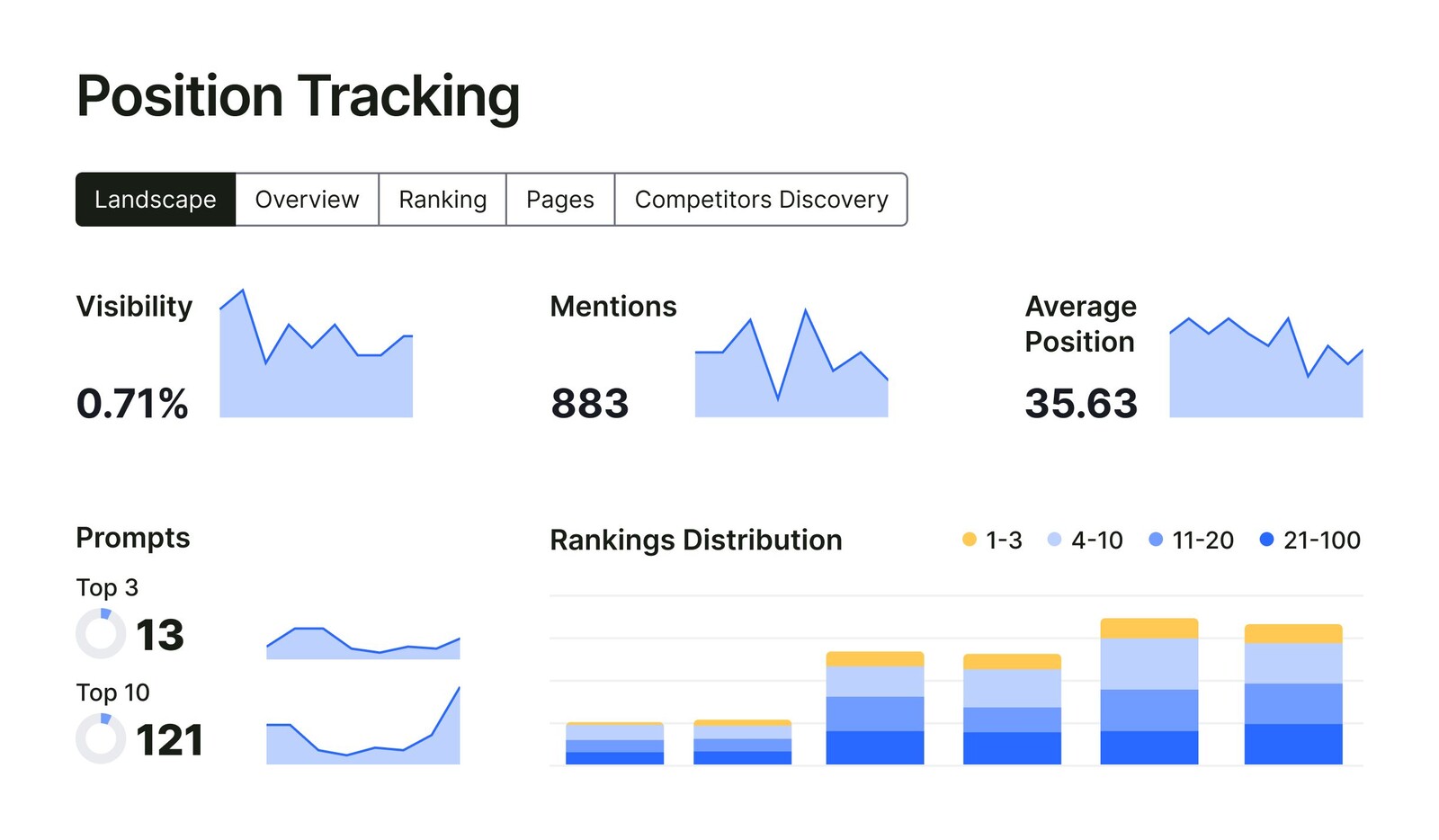
If a page that used to bring in steady traffic has quietly started sliding down the rankings, you're probably dealing with content decay. It's one of the most common - and most ignored - problems in SEO, because unlike a Google penalty or a technical outage, it doesn't announce itself. It just erodes your traffic, one small drop at a time, until someone finally checks the analytics and asks, "wait, what happened to this page?"
At EG Digital, we see this constantly when auditing new client websites: dozens of once-strong pages sitting untouched for years, slowly losing relevance while competitors publish fresher, more useful content around the same keywords. Take a look at some of our client results to see what a proper content and SEO overhaul can achieve. The good news is that content decay is fixable - often more easily and cheaply than creating something new from scratch.
Key Takeaways
- Content decay is a gradual, ongoing loss of rankings and traffic on pages that used to perform well.
- It's usually caused by outdated information, growing competition, or search intent shifting away from what the page originally offered.
- Not every declining page needs a rewrite - some just need a refresh, others should be merged, and a few are better removed entirely.
- Regular content audits (ideally quarterly) catch decay early, before it turns into a full ranking collapse.
What Is Content Decay?
Content decay is the slow decline in organic traffic, rankings, or engagement that a piece of content experiences over time, even though nothing was actively changed on the page. The content itself hasn't gotten "worse" - the world around it has moved on. Google rewards freshness and relevance as part of its helpful content guidelines, so a page that stood still while the topic, competition, or user expectations evolved will naturally start losing ground.
It's different from a sudden traffic drop caused by an algorithm update or a technical issue. Decay is gradual - a slow bleed rather than a cliff edge - which is exactly why it's so easy to miss until the damage has compounded.
Why Does Content Decay Happen?
There's rarely a single cause. In most audits, it's a mix of the following:
- Outdated information. Statistics, pricing, product details, or industry advice that were accurate a year or two ago no longer hold up.
- Rising competition. Other websites have published newer, deeper, or better-structured content targeting the same keywords.
- Shifting search intent. What people mean when they search a term can change, a query that used to be informational might now be transactional, or vice versa.
- Algorithm updates. Google periodically re-evaluates what "quality" and "helpfulness" look like - see the official Google Search Status Dashboard for update history.
- Neglected internal linking. As a website grows, older pages often get fewer internal links pointed at them, quietly signalling to search engines that they're less important.
Four Common Content Decay Patterns
When we run audits at EG Digital, declining pages tend to fall into one of four recognisable patterns:
- 1. The slow fade - a gradual, steady decline over many months, usually tied to competitors publishing better content.
- 2. The cliff drop - a sharp, sudden loss after a core algorithm update, often affecting a cluster of similar pages at once.
- 3. The seasonal mirage - traffic that looks like decay but is actually a normal seasonal dip, which should be judged year-over-year, not month-over-month.
- 4. The cannibalisation drag - a page losing ground because a newer page on the same site is competing with it for the same keywords.
Knowing which pattern you're looking at matters, because the fix is different for each one.
How to Identify Content Decay
The clearest signal is a consistent, multi-month decline in organic sessions or keyword rankings for a page that once performed well. To spot it reliably:
- Compare traffic and rankings over a rolling 6-12 month window in Google Search Console, not just the last 30 days.
- Segment by page or page group so seasonal categories aren't mixed in with genuinely declining ones.
- Check click-through rate alongside impressions - a drop in CTR with stable impressions often points to a weaker or outdated title and meta description rather than a ranking problem.
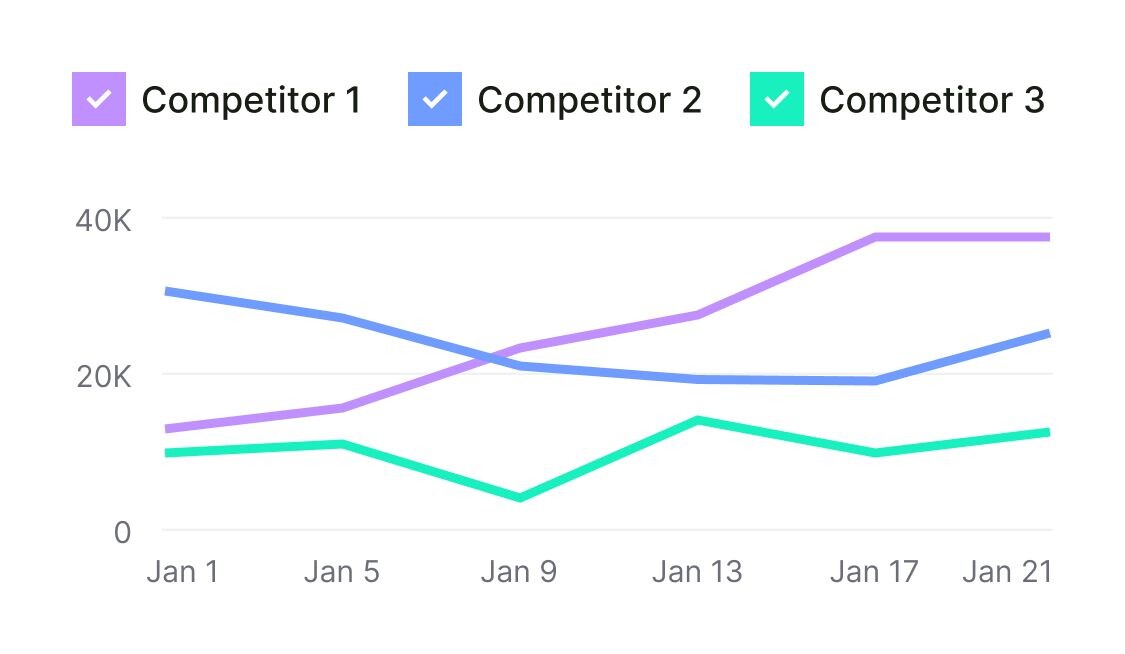
- Cross-check against competitor content for the same keywords using a tool such as Ahrefs or Semrush to see whether newer, more comprehensive pages have overtaken yours.
Refresh, Rewrite, Consolidate, or Remove?
Not every declining page deserves the same treatment. Once you've identified a page in decline, decide which bucket it falls into:
- Refresh - the core topic is still relevant, but facts, examples, or data need updating. This is the lightest-touch fix and usually the fastest to see results from.
- Rewrite - the topic still matters, but the structure, depth, or angle no longer matches what's ranking well. This calls for a more substantial overhaul.
- Consolidate - you have several thin or overlapping pages competing with each other. Merging them into one authoritative page often outperforms all of them combined.
- Remove (or redirect) - the topic is no longer relevant to your business or audience, and no amount of updating will bring it back. Use a 301 redirect to a more relevant page to preserve any remaining link value.
What Should a Content Refresh Include?
A genuine refresh goes beyond swapping the publish date. It typically involves:
- Updating statistics, screenshots, pricing, and examples to reflect current information.
- Reviewing the page against current search intent - does it still answer the question the way people are actually asking it now?
- Strengthening the introduction and headings so they match how the topic is being searched today.
- Adding missing subtopics that competitor pages now cover.
- Refreshing internal links, both to and from the page, to signal renewed relevance - see our SEO services for how we approach this.
- Improving the title tag and meta description if click-through rate has slipped.
How to Prioritise Declining Pages
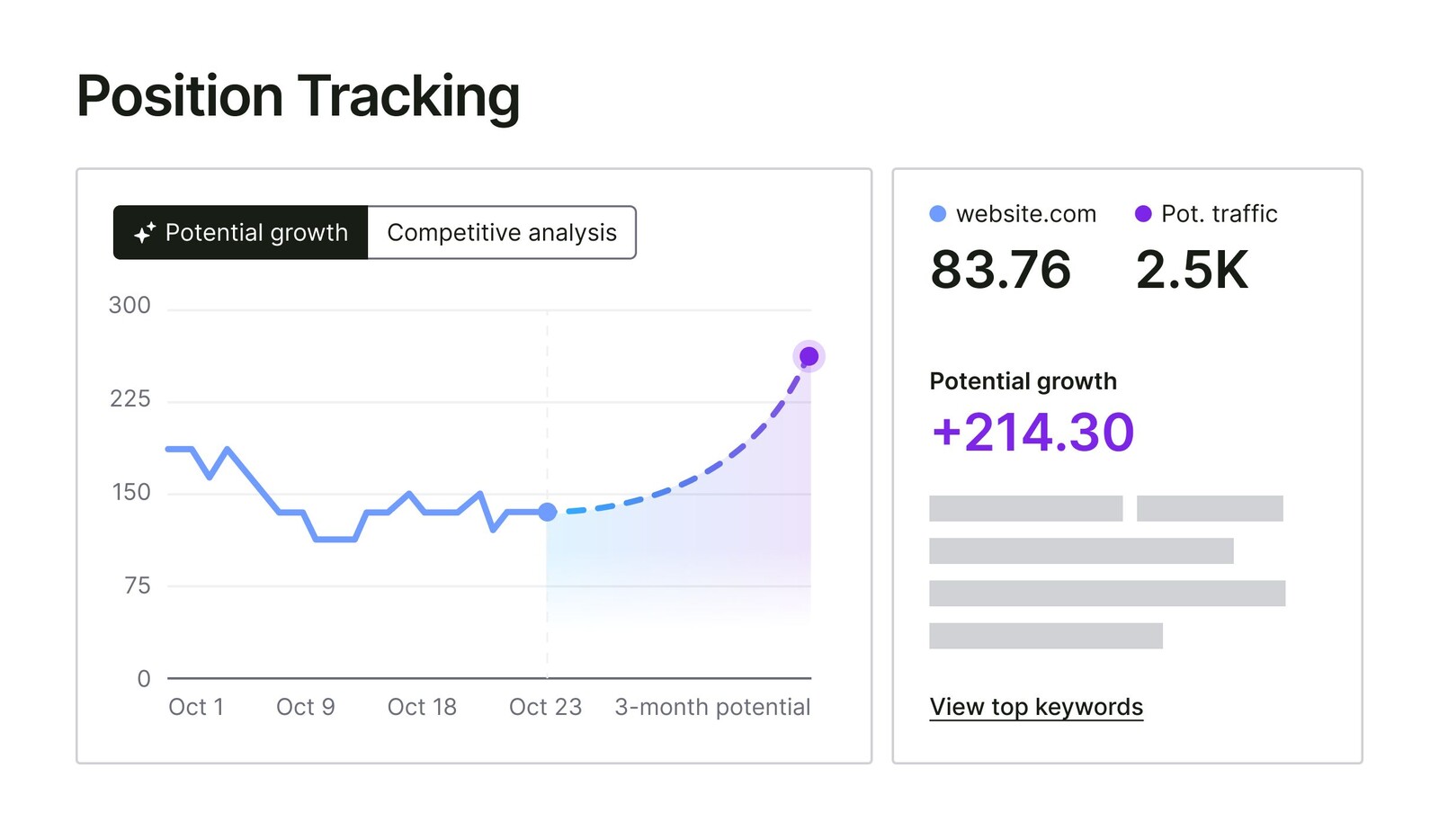
Most businesses don't have the resources to refresh everything at once, so prioritisation matters. We generally recommend ranking declining pages by:
- Traffic and revenue potential - start with pages that used to drive meaningful business value, not just traffic volume.
- Ranking proximity - pages sitting just outside page one often respond fastest to a refresh.
- Business relevance - prioritise topics still central to your current offering over legacy content.
- Effort required - a quick refresh with strong upside beats a major rewrite with uncertain payoff, especially early on.
Common Content Decay Mistakes
- Refreshing the date without meaningfully updating the content - search engines and readers both notice.
- Treating every declining page the same way, rather than choosing refresh, rewrite, consolidate, or remove based on the specific cause.
- Ignoring internal linking when updating a page, which limits how much authority it can regain.
- Waiting for a page to hit zero traffic before acting, instead of catching decay early through regular audits.
Content Decay Audit Checklist
- Pull 12 months of Search Console data, segmented by page.
- Flag pages with a sustained decline (not a seasonal dip).
- Check current search intent against the existing content.
- Compare against top-ranking competitor pages for the same keywords.
- Decide: refresh, rewrite, consolidate, or remove.
- Update content, internal links, and metadata together.
- Track rankings and traffic for 60-90 days post-update.
Content Decay Is a Diagnosis, Not a Death Sentence
A declining page isn't a failure - it's feedback. It's Google and your audience telling you the content needs attention before it can keep earning its place in the rankings. The businesses that treat content like a living asset, auditing and refreshing it on a regular cycle, consistently outperform those that publish once and walk away.
Not sure which of your pages are quietly losing ground?
That's exactly the kind of audit our team at EG Digital runs for clients across Australia. Get in touch with EG Digital and we'll help you turn declining content back into growth.